Creative Mentor JJ gives an insight into the first few weeks working with his mentee.

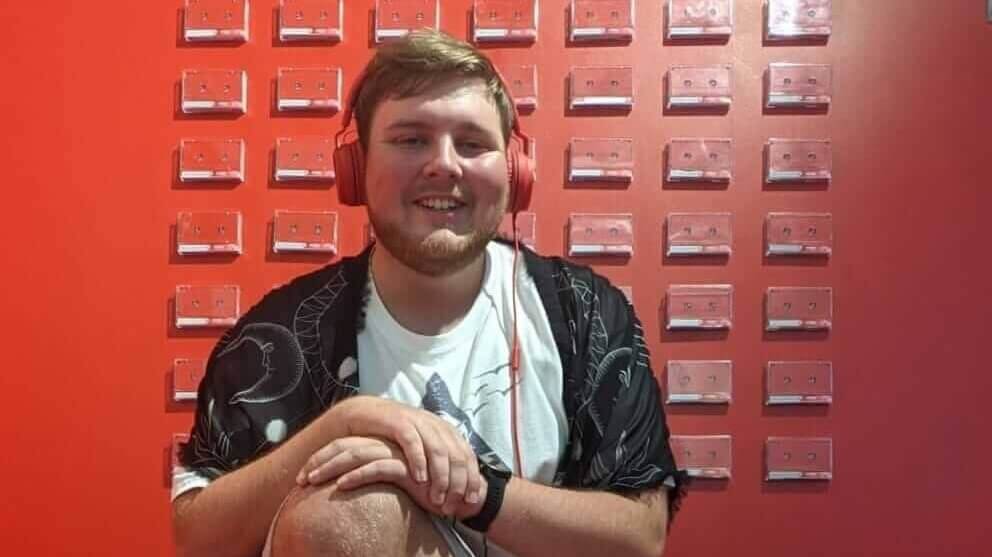
My name is JJ Gale and I am an actor, theatre maker/facilitator and professional wrestler. I have been a part of SCEP’s creative mentoring programme since November 2022.
After months of insightful training last year, I am now working 1-1 with my mentee. It has been an interesting journey so far. I was paired with a young person who has no experience in the arts. However, they have expressed an interest in drama and performing arts.
My first few meetings made it clear that there was going to be some work needed to forge a positive and trusting professional relationship with my young person. They were reserved and cautious. Not wanting to open up or share much information about themselves with me. Initially even having a conversation was a struggle.
This being said as the weeks have gone on, I have found common ground and began work on creating this relationship. I have found the best approach is to always come to sessions with an enthusiastic and positive attitude. Also, I am trying my best to offer as many opportunities to experience and explore performing arts.
We have recently been to see their first ever theatre show. This was a fantastic night. Although anxious and pessimistic before the show. Following the play my mentee highly rated the performance and had a beaming smile across his face. This was extremely rewarding.
My goal throughout this process is to open the door into the possibilities for involvement and interaction with Performing Arts in Southampton for my young person. I believe it’s important to take the time to care enough and support you in the first steps in trying and exploring something new. I hope this develops into more of an interest and passion for the performing arts. However, if this is not the case then at least I have facilitated some new life experiences. I believe that already they are learning new transferable skills. Also, I think it’s great to have a safe space to push yourself out of your comfort zone and I am grateful for the chance to help facilitate that in a small way.
I am learning that I have to be in tune with the young person and where they are in life and this process and allow that to inform my goals and plans going forward in regards to the mentoring programme. I am enjoying the little wins.
JJ
The Southampton Cultural Education Partnership’s (SCEP) objective is to develop a cohort of Creative Mentors as local role models in Southampton, who will work directly with and inspire Children and Young People, including those from at risk, marginalised backgrounds or NEET (not in employment education or training).
Continue reading Enjoying the little wins